Garage Door Repairs
Doors That Stop Failing Mid-Cycle
Garage Door Repairs in Louisville for worn rollers, broken hinges, and doors that refuse to operate
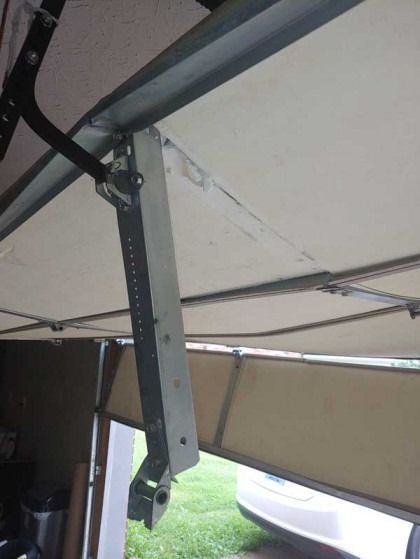
When your garage door jerks to a stop halfway up, the problem usually sits in one of three places: worn rollers that no longer glide smoothly along the track, damaged hinges that can't support panel weight, or cable issues that throw the entire system off balance. Affordable Garage Door repairs residential and commercial garage doors in Louisville by troubleshooting the mechanical failure first, then replacing the specific component causing the breakdown. A technician arrives to assess what's failing before any work begins, ensuring the repair addresses the root cause rather than masking symptoms.
Most garage door failures stem from parts wearing out under repeated daily use—rollers develop flat spots, hinges crack under stress, and hardware loosens from constant vibration. The repair process isolates which component has degraded beyond function, then replaces it with parts designed to handle the door's weight and cycle frequency. If you're working with an insurance claim for storm damage or impact issues, the company coordinates directly with your carrier to document the failure and required repairs.
Schedule a troubleshooting visit to identify which components are causing your door to malfunction.
What to Expect During the Repair Process
Louisville homeowners and business owners often call when a door starts behaving unpredictably, and the questions below cover what happens once a technician arrives to assess and fix the issue.
Questions:
What happens during the troubleshooting visit?
The technician manually operates the door to observe movement, checks roller condition along the entire track, inspects hinge attachment points for stress cracks, and tests cable tension to locate the failure source before recommending specific repairs.
How long does a typical roller or hinge repair take?
Most single-component repairs finish within an hour once the failed part is identified, though doors with multiple worn components may require additional time to ensure all compromised hardware is replaced.
What does the $0 service fee mean for repair visits?
You don't pay a separate trip charge or diagnostic fee—the cost covers the actual repair work and replacement parts once the technician identifies what needs fixing.
When should I call for repairs instead of waiting?
If your door opens crooked, stops mid-travel, makes grinding or popping sounds, or refuses to lift when the opener engages, the issue will worsen under continued use and should be addressed before the door becomes inoperable.
What if the damage is covered under my homeowners insurance?
The company works directly with insurance carriers to document the mechanical failure, provide repair estimates, and process claims for covered damage like storm impact or accidental collision.
Affordable Garage Door handles residential and commercial garage door repairs across Louisville with a focus on diagnosing the actual problem before replacing parts. Request a free estimate to review your door's condition and identify which components need attention.
What Stops Working Before the Entire Door Fails
Garage doors rarely quit without warning—parts degrade gradually, and you'll notice symptoms before total failure. Rollers that once moved silently begin grinding or squealing as the bearing surface wears down. Hinges develop hairline cracks that widen under load, causing the door to sag or open unevenly. Cables fray at stress points, and when one strand snaps, the door loses balance and pulls harder to one side.
Once the damaged part is replaced, the door operates on a consistent plane again—no more jerking mid-cycle, no metallic grinding during movement, and the automatic opener lifts the door without straining. You'll hear the difference immediately: smooth, quiet operation replaces the noise and hesitation that signaled the mechanical breakdown. The door reaches full open and full close positions without stalling, and the opener no longer struggles to pull uneven weight.
Repairs focus on the failed component rather than replacing entire assemblies unnecessarily. If only the roller bearing has worn out, the roller gets swapped. If a hinge cracked but the surrounding structure remains sound, the hinge alone is replaced. This approach keeps costs tied to actual failure points rather than preemptive part swaps that don't address what's broken.